Cleaning Robots Are Already Operating in Russian Airports, Shopping Malls and Supermarkets
Oct 05, 2026
VMPL
New Delhi [India], October 5: Robotic cleaning is moving beyond the experimental stage and becoming part of routine operations worldwide. The market in Russia is also developing rapidly: the number of indoor cleaning robots in the country could grow to 23,000 units by 2030, according to forecasts. These findings come from a study titled “The Commercial Robotic Cleaning Market in Russia and Worldwide,” prepared jointly by the Moscow Innovation Cluster, Sber and Skoltech. The study was presented at the Moscow Startup Summit.
The global market for indoor cleaning robots is expected to grow 3.6-fold, from $1.8 billion in 2024 to $6.4 billion by 2030..
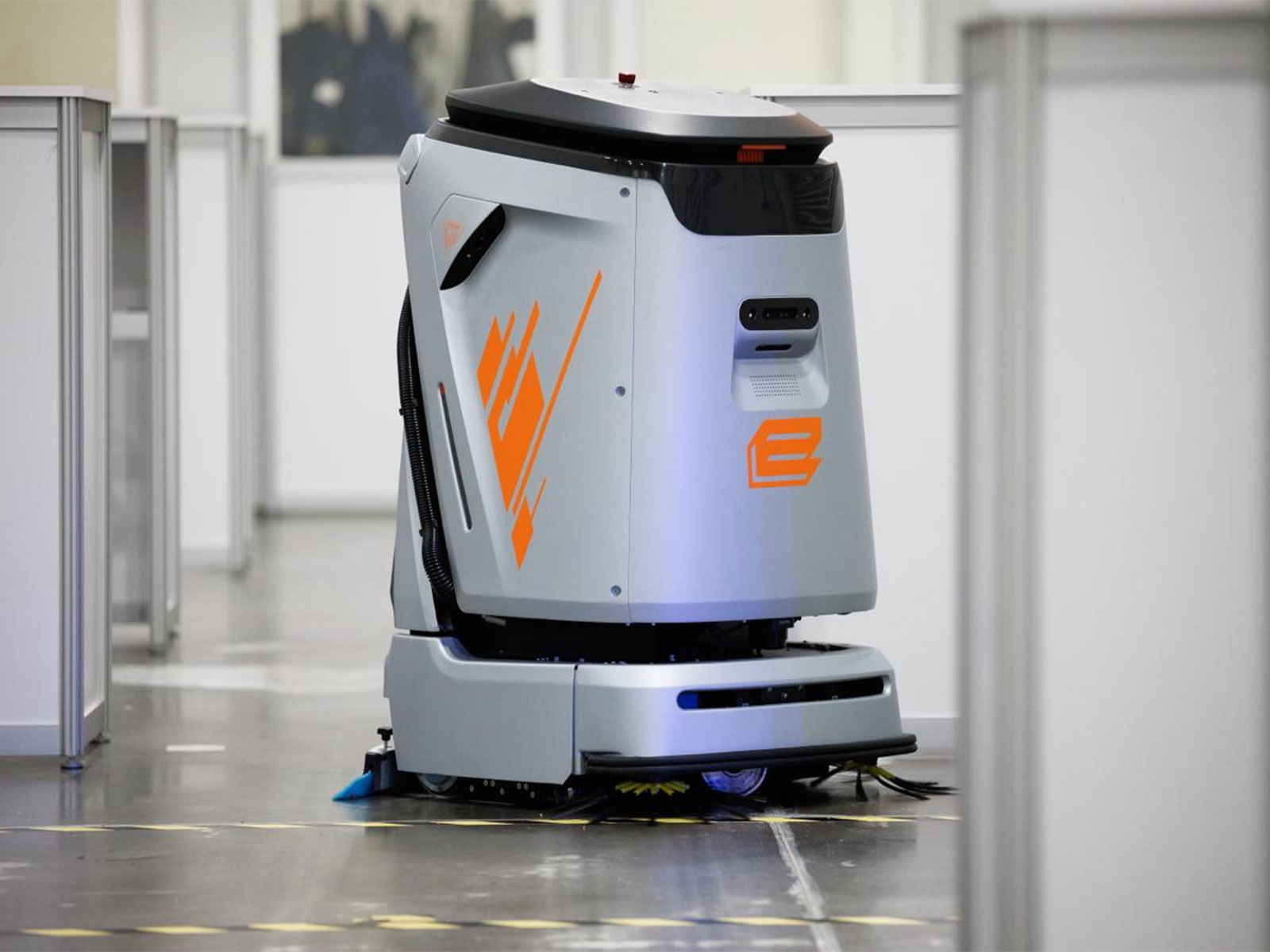
In Russia, cleaning robots are already being deployed in shopping malls, hospitals, warehouses and airports. At Moscow's Domodedovo Airport, the NOBLELIFT ANB510 has undergone testing. At Pulkovo Airport in St. Petersburg, 16 robots are set to begin operating around the clock in high-traffic passenger areas this autumn. Meanwhile, the RUBI-S robot, developed by Moscow-based company ROBO, has been operating at Novosibirsk's Tolmachevo Airport since 2025.
In the retail sector, KazanMall shopping centre is testing the MARK 2 robot developed by Yaroslavl-based company R2B. Russian retail chain Lenta has already purchased 42 cleaning robots, which are being used in its hypermarkets across four cities.
According to the study's analysis of real-world deployments, 60% of cleaning robot implementations in Russia begin with a pilot project, compared with just 27% globally. As domestically developed solutions are only beginning to enter the market, pilot projects are important for both manufacturers and customers. They allow manufacturers to demonstrate that their technologies work in real-world conditions while helping customers reduce the risks associated with initial deployment.
Subscription-based models are also more common in Russia than globally, accounting for 47% of deployments compared with 35% worldwide. Under this model, customers pay a fixed fee to use a robot, while ownership remains with the provider, which is fully responsible for software updates and maintenance. This lowers the barrier to adoption, allowing businesses to deploy cleaning robots quickly without significant upfront capital investment.
Russia is also developing infrastructure to support the testing and adoption of robotic technologies. In March 2026, the Moscow Innovation Cluster opened its Robotics Testing Centre, where 33 robots have already been tested. In addition, companies have access to more than 300 pilot testing sites for innovative technologies, where 729 tests have been conducted. The total value of solutions adopted by Moscow municipal customers in 2025–2026 reached RUB 12.5 billion.
(ADVERTORIAL DISCLAIMER: The above press release has been provided by VMPL. ANI will not be responsible in any way for the content of the same)