What Is a Good CIBIL Score for a Personal Loan? A Practical Guide
Nov 03, 2026
VMPL
New Delhi [India], November 3: For unsecured or personal loan borrowing, a credit score of more than 700 is considered a good CIBIL score. While an individual with a credit score of 650 faces additional verifications and even rejections, someone with a high score often gets a loan at competitive rates, gets quick funds and even favorable terms from lenders.
Introduction
Personal loans are the most chosen financial product by individuals who don’t want to pledge security like other secured loans and need quick funds. Now that lenders do carry a risk of losing funds, they assess the creditworthiness of the applicants with their automated evaluations before offering the funds.
This is why having a good CIBIL score is important. It is a prime factor that allows lenders to assess the repayment capacity of the borrowers and helps to decide how much loan should be offered and at what terms.
When you have learned what makes a credit score good, it helps to ensure that you approach lenders with a complete strategy, get loans at cost-effective terms and avoid hard inquiries.
What Are the Standard CIBIL Score Brackets for Borrowers?
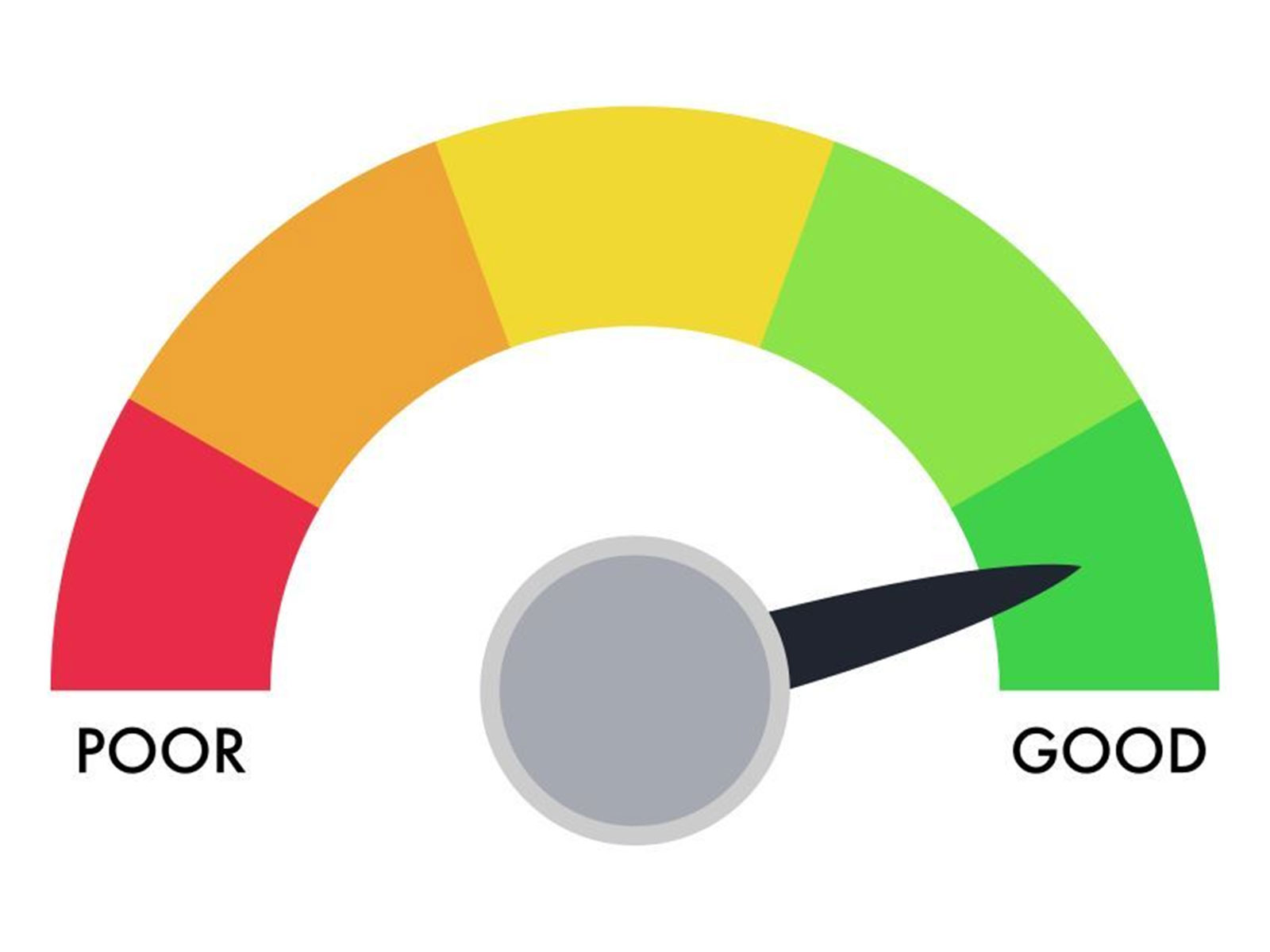
TransUnion CIBIL is an authorized platform that calculates everyone’s credit score and rates it on a scale of 300-900. The CIBIL score for personal loan are used by lenders to understand how much risk is involved with the applicant:
- 750 to 900: An excellent score where borrowers mostly get an instant approval and even pre-approved offers from the lenders. They even enjoy getting other additional costs at discounted prices and lower interest rates.
- 700 to 749: A good score where the profile is identified as dependable, and the borrower satisfies most institutional criteria, which offers quick approvals and loans at competitive rates.
- 650 to 699: An average score where moderate risk is associated with the profile. Borrowers can consider applying for a loan via NBFCs, but they may have to face low-value loans and higher rates.
- Less than 650: A poor score, which shows that there are possibilities of default, and borrowers may face rejections when applying through traditional banks.
How Does Your Rating Impact Interest Rates and Sanctioned Amounts?
When you consider checking the lender’s required CIBIL score for personal loan, it helps to protect your budget from rising repayment expenses. Here’s how your credit score impacts your interest rates and sanctioned amount:
Impact on interest rates
- Users are charged the lowest rate when they have a higher credit score, more than 750.
- It shows that the risk is higher, and to compensate for that, lenders charge higher rates when the score of an individual is lower.
- Loan applications may even get rejected when the credit scores are poor.
Impact on sanctioned amount
- Lenders offer high-value loans to borrowers with higher credit scores.
- Strict verification, collateral demand, and even low-value loans are offered to users with a weak rating.
- When your debt-to-income ratio or credit utilization ratio is higher, it shows hunger for credit, and lenders restrict exposure.
Which Critical Factors Shape Your Three-Digit Credit Score?
Here are the factors that shape your profile, and prioritizing them can help sustain a good CIBIL score:
1. Repayment History (35% Weightage)
- Credit card bill payments and repayments of EMIs are tracked, whether they are made on a timely basis.
- Score drops even when you miss or delay a single repayment.
- Most impactful factor considered by the lenders.
2. Credit Utilization and Amount Owed (30% Weightage)
- Amount used by an individual out of the limit they are offered.
- Avoid high risk by keeping the utilization percentage under 30%.
- Consistently high ratios can decrease your credit score.
3. Length of Credit History (15% Weightage)
- It represents the age of your newest and oldest credit accounts.
- Stability is shown when you have a longer active credit history.
- Accounts that are in good standing and are older help with the long-term health of the credit profile.
4. Credit Mix (10% Weightage)
- Shows a perfect balance of unsecured loans like personal loans and credit cards and secured loans like home loans, auto loans, and gold loans.
- An individual’s managed borrowing is shown when there is a diverse mix.
- The profile is evaluated based on the ability to handle multiple credit types.
5. New Credit and Inquiries (10% Weightage)
- It shows financial stress when you make multiple hard inquiries.
- Quick loan applications within a shorter term can lead to lower scores.
- It is advised to wait for some time to apply for a new loan.
Conclusion
A strong credit standing is your most valuable asset when seeking fast, affordable funding. Maintaining a good CIBIL score ensures rapid approvals during financial emergencies while securing favorable interest rates that protect long-term wealth.
When you need flexible credit solutions, modern digital lending makes borrowing effortless. Finnable offers instant loans at competitive rates, flexible repayment tenures, quick disbursements, and an online EMI calculator. Its platform also provides a completely free credit score check, with no hidden fees or impact on your credit rating, along with personalized insights to help you track your financial standing with confidence. Monitor your CIBIL score for your personal loan needs today and access transparent, hassle-free credit whenever you need it.
(ADVERTORIAL DISCLAIMER: The above press release has been provided by VMPL. ANI will not be responsible in any way for the content of the same.)