Khamenei threatens response to any US attacks
May 01, 2026
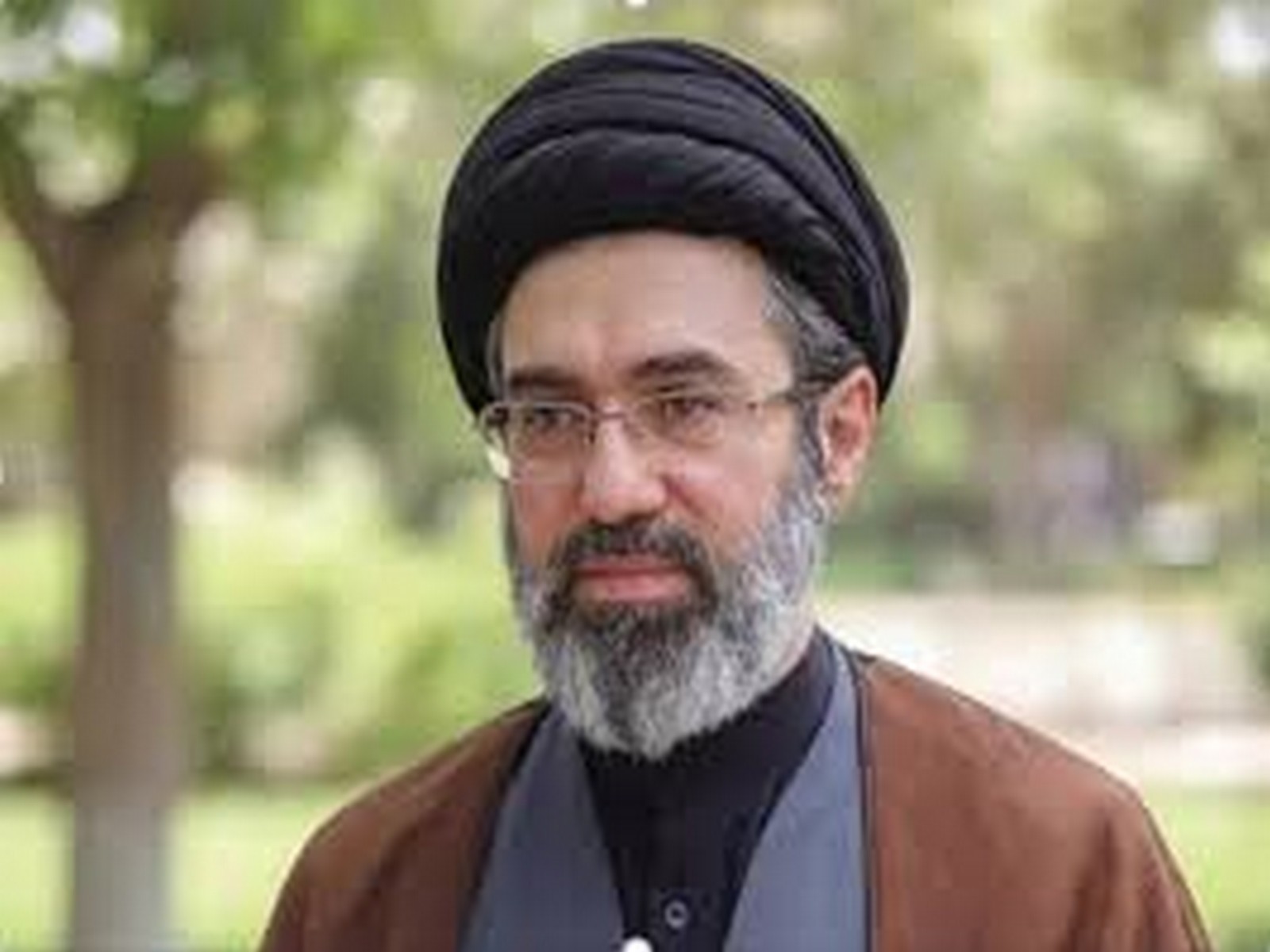
Tehran [Iran], May 1: Iran's new Supreme Leader Mojtaba Khamenei, on Thursday, threatened to respond to any further US attacks in a rare statement read out on state television.
"Ninety million Iranian citizens, both at home and abroad, regard all nuclear and missile capabilities as a national asset and will defend them just as they would their sea, land, and air borders," the statement read. "Outsiders who come from thousands of kilometres away to stir up trouble have no place among us - except at the bottom of its waters," added the speech, which was reportedly released to mark Persian Gulf Day, a holiday commemorating the Persian-British victory over Portugal in 1622.
A "new chapter" has emerged in the Strait of Hormuz amid the US's "shameful failure", Iran's supreme leader said. "Today, two months after the world's biggest campaign and aggression in the region and America's shameful failure in its own plan, a new chapter is emerging in the Persian Gulf and the Strait of Hormuz," Mojtaba Khamenei said in the statement circulated by state media.
Since his appointment to succeed his assassinated father, Ayatollah Ali Khamenei, as Iran's Supreme Leader in early March, Mojtaba Khamenei has not appeared in public. He is believed to be severely injured. A ceasefire has been in place between Iran and the US since early April. However, negotiations to resolve the conflict have stalled.
US President Donald Trump said on Wednesday that while there had been progress, a breakthrough had not yet been achieved. An agreement would only be reached if Tehran completely renounced nuclear weapons, he argued.
The US news portal Axios reported that Trump was due to be briefed by the military on Thursday on new military options against Iran. The briefing signals that the president is considering resuming major combat operations - either to break the deadlock in negotiations or to deal a final blow to the Iranian leadership. It was reported that the targets would likely also include civilian infrastructure.
Khamenei's remarks come as Iran's economy is reeling and its oil industry is being squeezed by a US Navy blockade halting its tankers from getting out to sea. The world economy is also under pressure as Iran maintains its chokehold on the Strait of Hormuz, through which a fifth of all crude oil is transported. On Thursday, the global benchmark for oil, Brent crude, traded as high as $126 a barrel.
That shock to oil supplies and prices is putting pressure on Trump, who is floating a new plan to reopen the critical passageway used by the US's Gulf allies to export their oil and gas.
Under the plan, the US would continue its blockade on Iranian ports, while coordinating with allies to impose higher costs on Iran's attempts to subvert the free flow of energy, according to a senior administration official.
Pakistan on Thursday said it was still facilitating indirect talks between the US and Iran aimed at easing tensions, but Islamabad would also welcome direct communication between the two sides, even by phone.
"If the two parties can engage in real-time conversations, that could ease the sticking points," said Ministry of Foreign Affairs spokesperson Tahir Andrabi at a weekly news briefing. He declined to share details of any Iranian or US proposals.
Speaking to mark Persian Gulf Day in Iran, Khamenei's remarks signalled that nuclear issues and Iran's ballistic missile program wouldn't be traded away.
Khamenei referred to America as the "Great Satan," a long hurled insult by Iranian leaders toward the US since the 1979 Islamic Revolution. He said Americans should have no business in the Persian Gulf.
"Foreigners who come from thousands of kilometres away to act with greed and malice there have no place in it - except at the bottom of its waters," said Khamenei, who was reportedly wounded in the Feb 28 attack that killed his father, the 86-year-old Supreme Leader Ayatollah Ali Khamenei.
In his remarks, Khamenei seemed to signal Iran would maintain its control over the waterway, which sits in the territorial waters of Iran and Oman. Iran had been charging some ships reportedly $2 million apiece to travel through the strait.
He said that Iran's control of the Strait of Hormuz will make the Gulf more secure, and that Tehran's "legal rules and new management" of the strait will benefit all the region's nations.
However, the world considered the strait an international waterway, open to all without paying tolls. Gulf Arab nations, chief among them the United Arab Emirates, have decried Iran's control of the strait as akin to piracy.
Source: Qatar Tribune